 Image 1 of 1
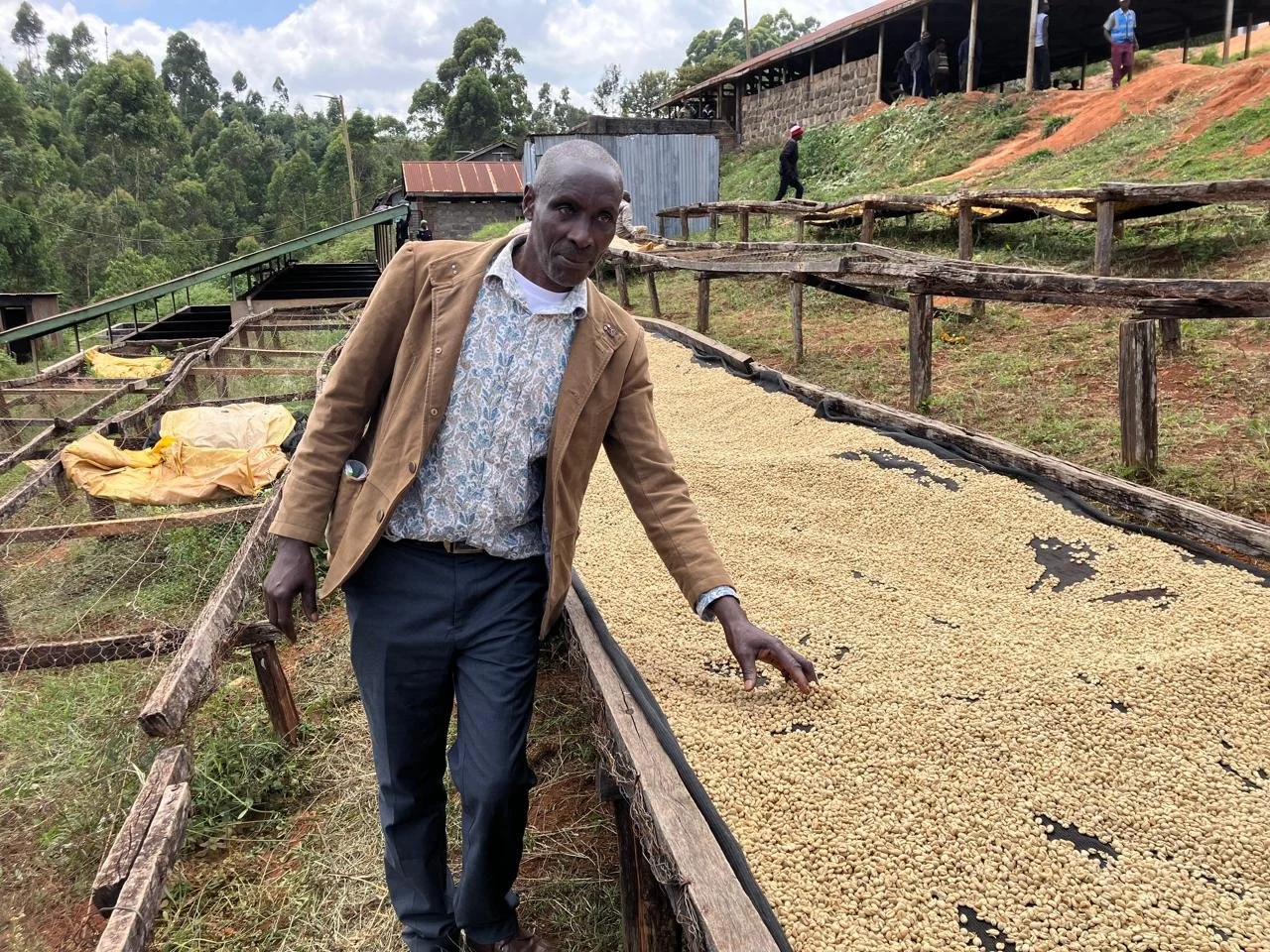
Eduardo Martinez is a Mazatee producer who has dedicated many years of his life to coffe cultivation on his farm, located in Loma de Ocotitlan, in the municipality of San Lucas Zoquiapam, Oaxaca. However, the low yields of coffee in his region do not allow him to dedicate himself fully to his profession.
Each year, when the harvest season ends, he travels to Mexico City to work and support his family. When the coffee picking season arrives, he returns to his hometown to harvest the coffee and assist his wife with fieldwork in a shared effort to maintain their connection to thel and and the coffee-growing tradition.
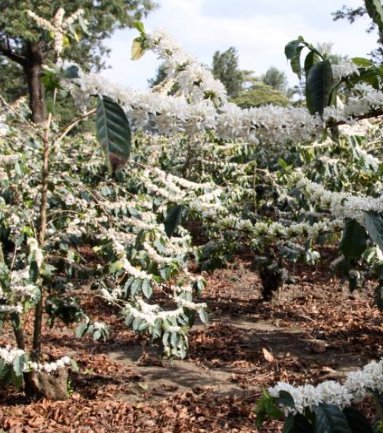
Eduardo cultivates his coffee in harmony with timber trees like oaks, and fruit trees like avocado, guava, and cuajinicuil, integrated into traditional polycultures.
This production system not only preserves biodiversity but also acts as a natural barrier against climate change, offering valuable environmental services such as soil protection, water regulation, and carbon capture. Through this model, Eduardo contributes to the sustainability of his environment while ensuring the vitality of his coffee.
What challenges is he facing?
● San Lucas, one of the most marginalised municipalities in the region known as the Sierra Mazateca, faces numerous challenges, including high levels of insecurity, with crimes and robberies that scare its inhabitants.
● Ernesto's farm is located in a remote area, making it difficult to transport his coffee to Huautla de Jiménez, the main commercial centre of the Sierra. This distance is exploited by "coyotes," who buy coffee at unfairly low prices. Additionally, some traders have deceived local producers, offering differentials that never materialise.
● Access to Ernesto's crops is particularly difficult, as the route consists of narrow and poorly maintained roads.
● Cold weather is common in the area, causing the coffee to become damp and resulting in slower drying times.
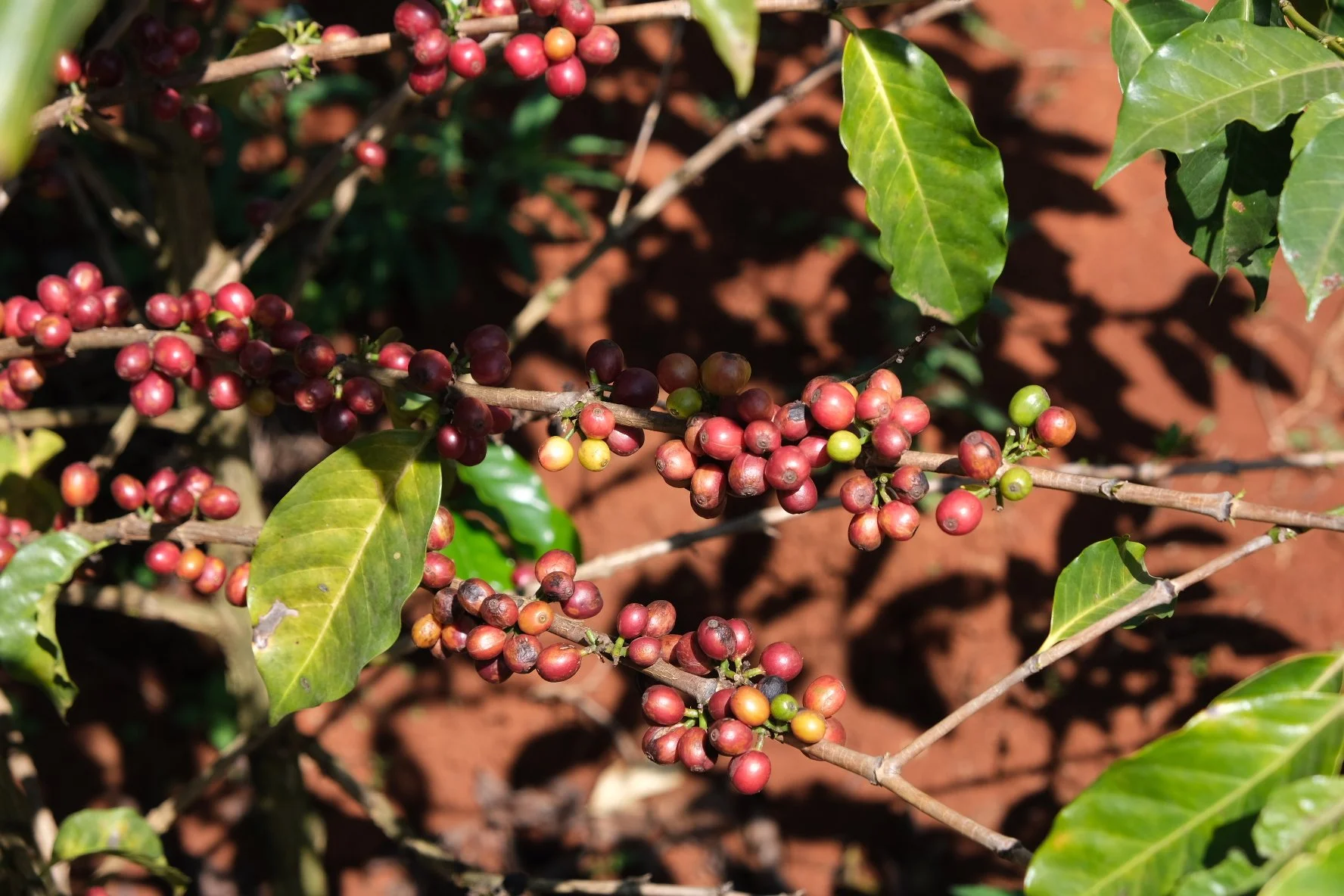
● His coffee plants have low yields due to a lack of renovation in the coffee fields, where some coffee trees are more than 25 years old and have not been pruned.